
A universe of
knowledge.
From the people exploring space to the science that makes it possible. Find an answer. Follow a connection. Keep exploring.
Find your next discovery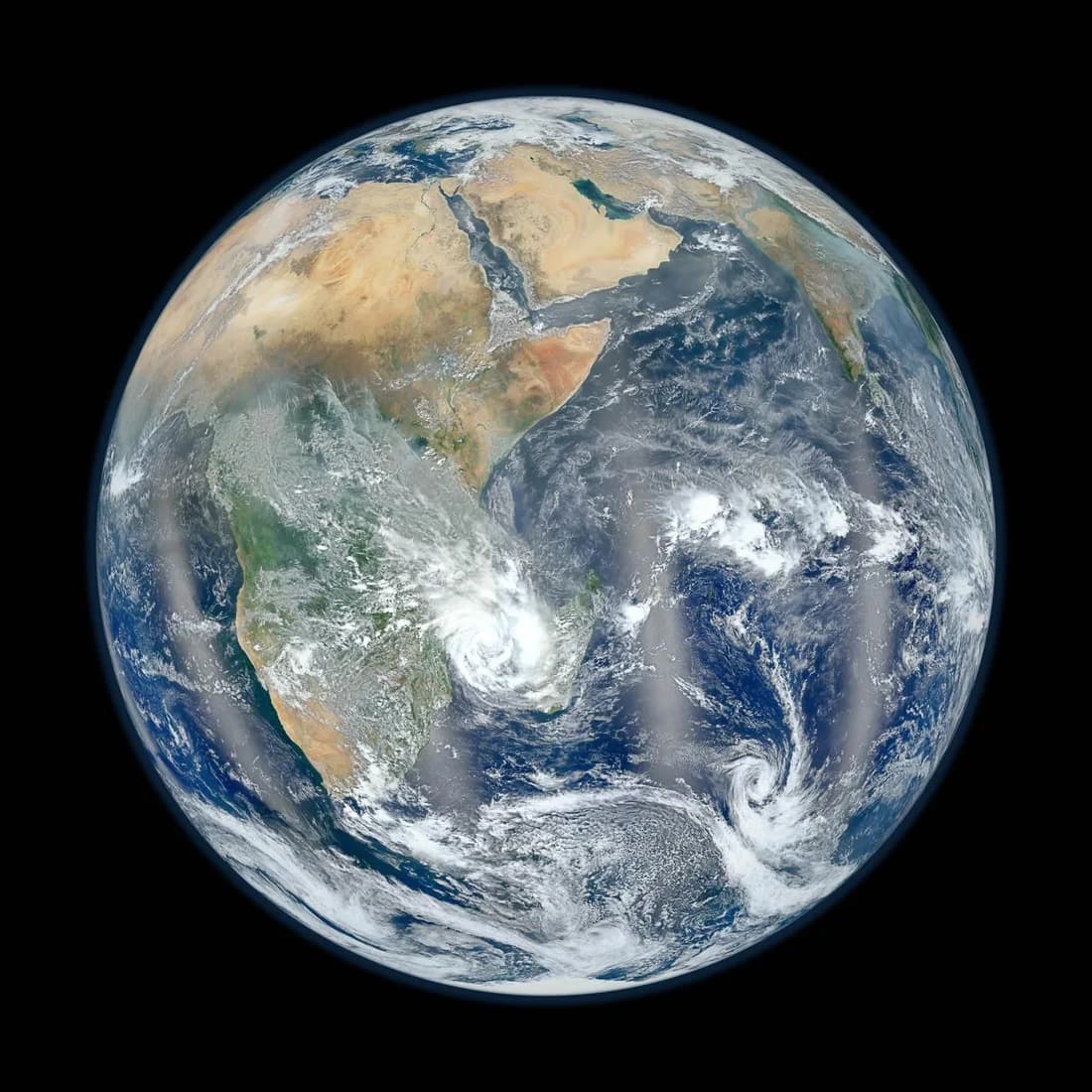
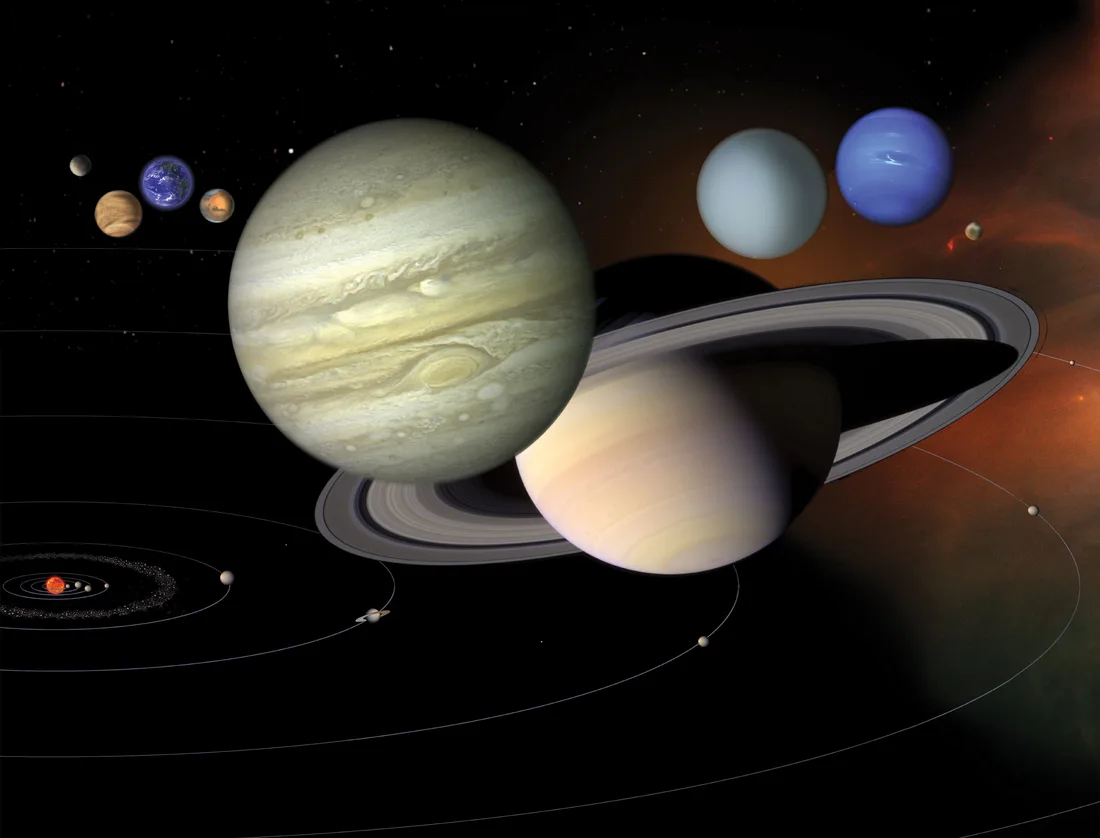
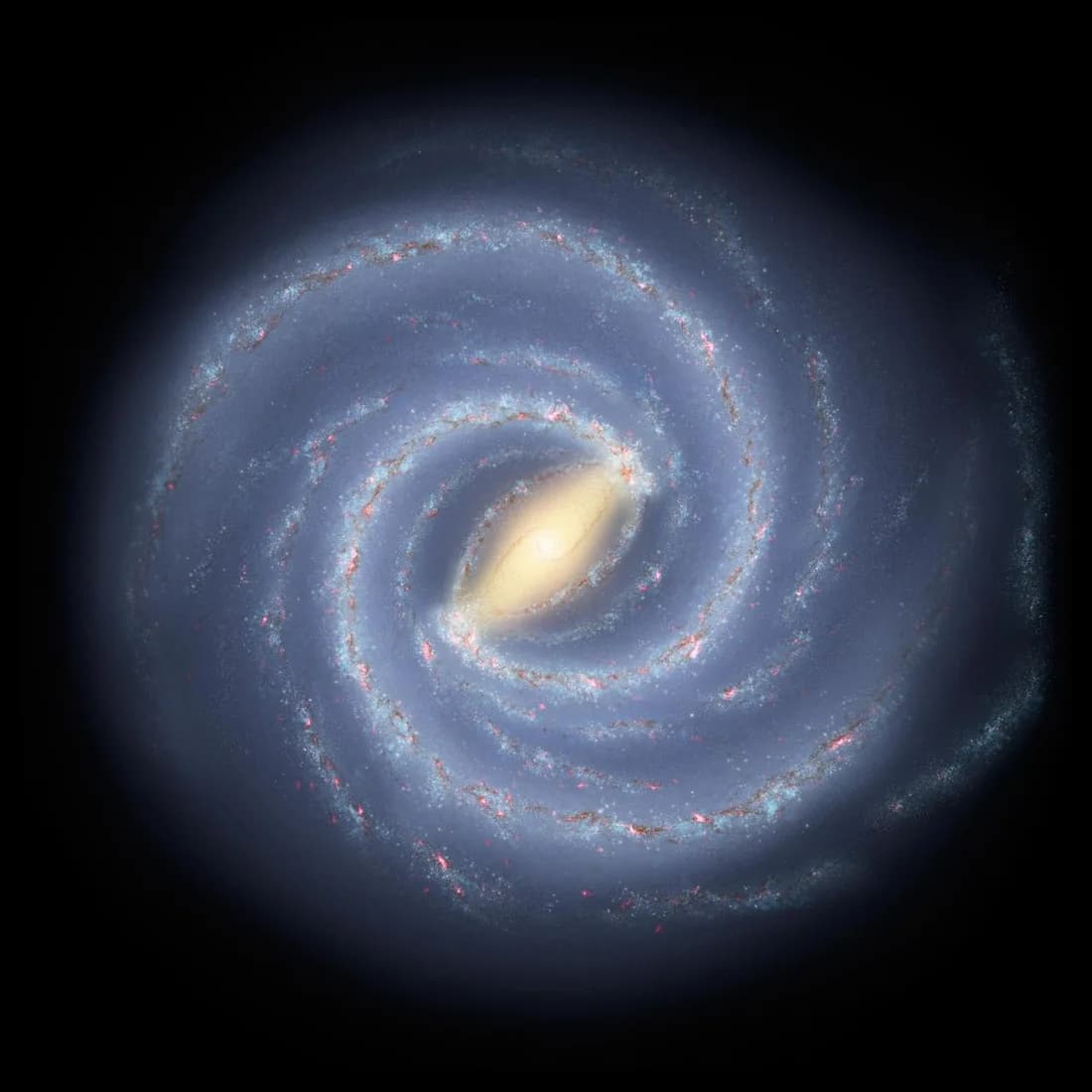
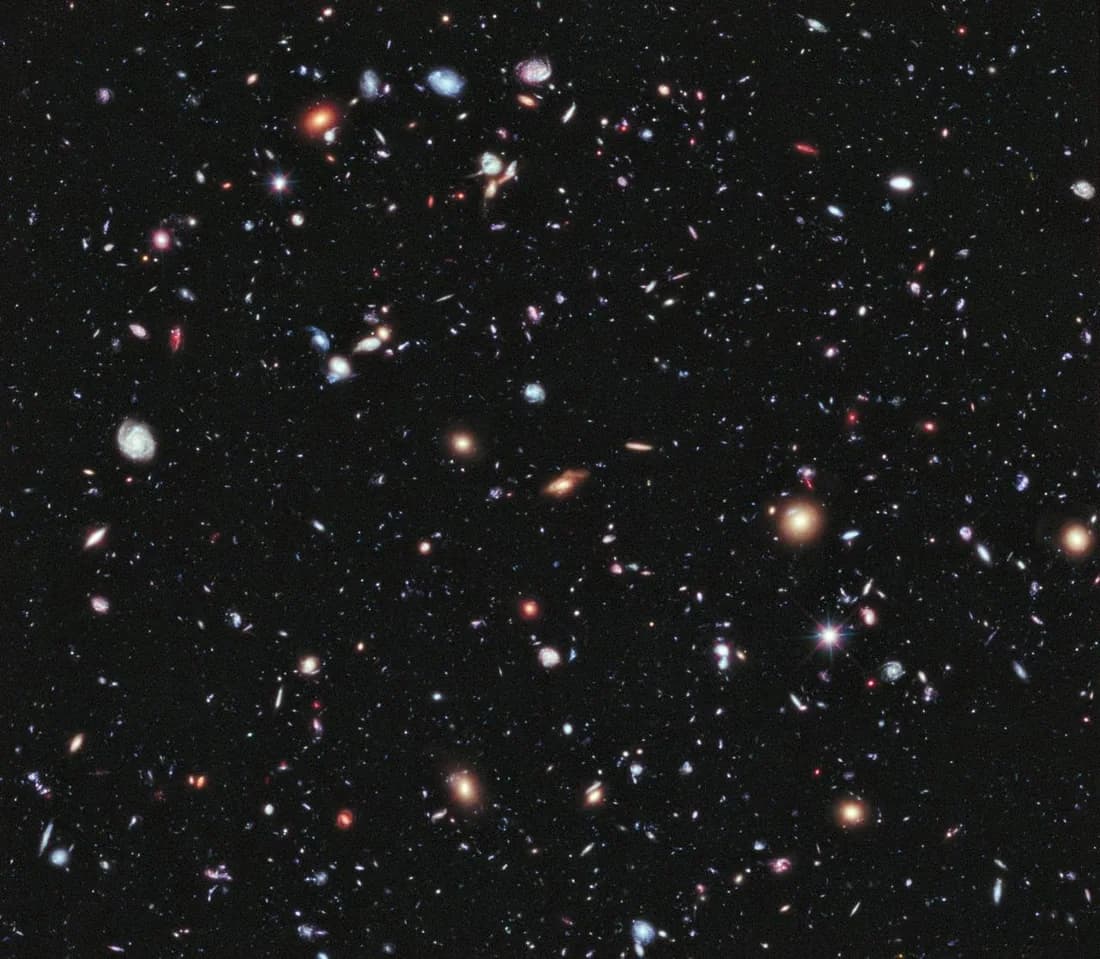
Explore the wiki
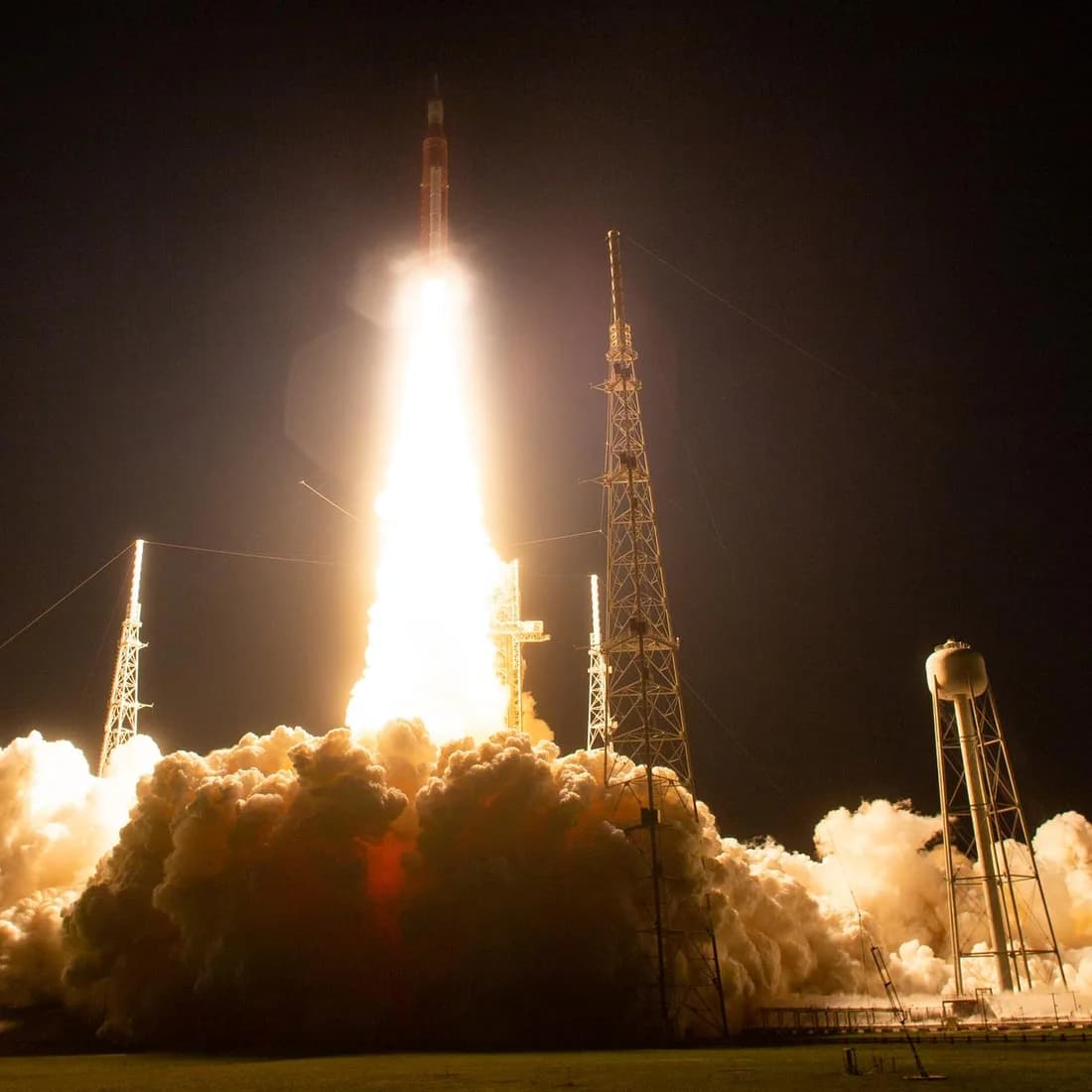
Artemis
MissionNASA’s lunar exploration campaign combines crew transport, launch systems, landing capabilities, science, and international partners.
Asteroids
ConceptAsteroids are natural rocky or metal-rich bodies orbiting the Sun, ranging from remnants of planet formation to near-Earth objects studied by spacecraft and telescopes.
Black holes
ConceptRegions of spacetime bounded by an event horizon, studied through their influence on matter, light, and gravitational waves.
Chandrayaan-3
MissionISRO’s 2023 lunar mission demonstrated a soft landing and rover operations in the Moon’s southern high latitudes.
Comets
ConceptComets are small Solar System bodies whose volatile-rich material can form a coma and tails when solar heating drives activity.
CubeSats
TechnologyCubeSats use standardized size and deployment interfaces to make compact space missions easier to integrate and launch.
Deep Space Network
TechnologyNASA’s worldwide antenna network carries commands, receives science data, and supports navigation far beyond Earth orbit.
Earth observation
ConceptEarth observation combines measurements from space, air, and the ground to describe Earth’s land, oceans, ice, and atmosphere and how they change.
ESA
AgencyAn intergovernmental organization through which European countries develop and carry out space programmes together.
Exoplanets
ConceptPlanets outside our Solar System, discovered and studied using the subtle effects they have on light and on their host stars.
Galaxies
ConceptGalaxies are gravitationally bound systems whose structures and histories help astronomers study the universe across enormous scales.
Hayabusa2
MissionJAXA’s robotic mission connected asteroid exploration with laboratory analysis of material returned to Earth.
Hera
MissionHera is a European Space Agency mission that will examine the Didymos–Dimorphos binary asteroid system after NASA’s DART spacecraft changed Dimorphos’s orbit in a test of asteroid deflection.
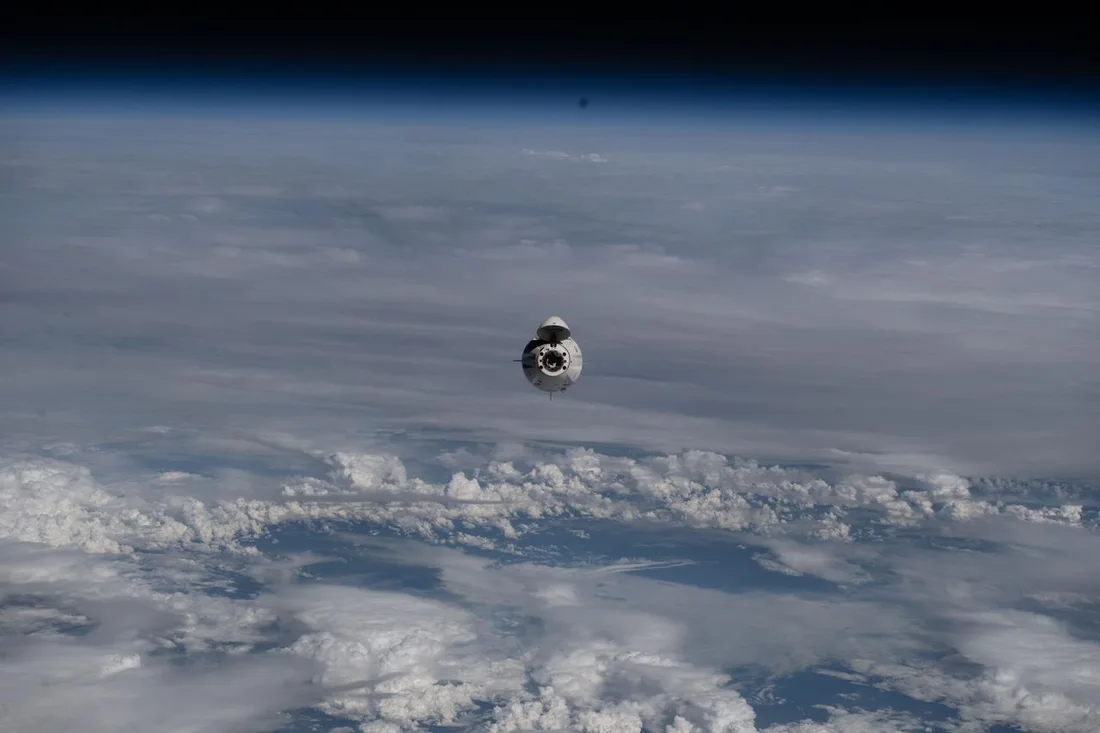
International Space Station
MissionAn international orbital facility for research, technology demonstrations, and learning how people live in space.
ISRO
AgencyIndia’s space agency, connecting practical services on Earth with the exploration of the Moon and beyond.
James Webb Space Telescope
MissionA NASA, ESA, and CSA observatory that studies galaxies, star formation, and planetary atmospheres using infrared light.
JAXA
AgencyJapan’s aerospace agency, with work spanning launch vehicles, satellites, human spaceflight, and small-body exploration.
Mars
Celestial bodyThe fourth planet from the Sun preserves geological evidence of ancient water and offers a test of how planetary environments change.
Martian Moons eXploration
MissionJAXA’s MMX mission will survey Phobos and Deimos, collect material from Phobos, and return it to Earth to investigate how the Martian moons formed.
NASA
AgencyThe United States’ civilian agency for space exploration, Earth and space science, and aeronautics research.
Neil Gehrels Swift Observatory
MissionNASA’s Neil Gehrels Swift Observatory combined gamma-ray, X-ray, and ultraviolet/optical telescopes to detect gamma-ray bursts and rapidly observe many kinds of changing objects across the universe.
Orbital mechanics
ConceptThe study of motion under gravity, used to design satellite orbits, planetary encounters, and journeys between worlds.
Planetary protection
ConceptPlanetary protection uses mission-specific practices to limit biological and molecular contamination between Earth and other solar system bodies.
PRIMA Far-Infrared Mission
MissionPRIMA is a NASA far-infrared observatory advancing through mission design that would survey planets, galaxies, black holes, and cosmic dust at wavelengths difficult to observe from existing facilities.
Rocket propulsion
TechnologyRocket engines produce thrust by accelerating propellant, allowing vehicles to launch and spacecraft to change their trajectories.
Satellite navigation
TechnologyNavigation satellites broadcast timed signals that receivers use to estimate position and synchronize clocks.
Satellites
TechnologyArtificial satellites carry instruments and services into orbit, supporting science, navigation, communications, and observations of Earth.
Space debris
ConceptSpace debris includes non-functional human-made objects and fragments in orbit or re-entering Earth’s atmosphere, creating engineering and sustainability challenges for spaceflight.
Spacecraft attitude control
TechnologySpacecraft attitude control determines and changes a vehicle’s orientation so its instruments, antennas, solar arrays, and engines point where the mission needs them.
Spacecraft life-support systems
TechnologySpacecraft life-support systems manage air, water, temperature, pressure, and waste so crews can live and work in a sealed vehicle.
Spacecraft systems engineering
TechnologyThe discipline of turning a mission’s purpose into a coherent, testable system of spacecraft, ground equipment, and operations.
Spacecraft telemetry
TechnologySpacecraft telemetry carries measurements and status information from a vehicle to operators and science teams on the ground.
SpaDeX
MissionISRO’s Space Docking Experiment demonstrated rendezvous, docking, power transfer, and coordinated operations with two small spacecraft in low Earth orbit.
Spectroscopy
ConceptA method for studying matter by measuring how its light varies with wavelength, revealing clues about composition, temperature, motion, and physical conditions.
The Moon
Celestial bodyA rocky world whose surface preserves a record of impacts, volcanism, and the early history of the Earth–Moon system.
The Solar System
ConceptThe Sun and its gravitationally associated worlds, including planets, moons, asteroids, comets, and distant icy populations.
The Sun
Celestial bodyThe Sun supplies Earth’s light and energy while driving a changing environment of plasma, magnetic fields, and radiation.
Voyager
MissionTwo spacecraft launched in 1977 transformed our view of the giant planets and crossed the boundary of the solar wind.
A subject for every curiosity
18 subjectsSpace agencies
The organizations that turn scientific questions into space missions.
4 articlesMissions & exploration
Orbiters, landers, rovers, observatories, and the journeys they make.
14 articlesSpacecraft engineering
How structures, power, software, and instruments work as one spacecraft.
9 articlesLaunch & propulsion
The engines and launch systems that make spaceflight possible.
1 articlesOrbits & navigation
The mechanics of moving through space and knowing where you are.
4 articlesAstronomy & cosmology
Stars, distant worlds, black holes, and the structure of the universe.
11 articlesPlanetary science
The worlds in our Solar System, from their interiors to their atmospheres.
9 articlesEarth observation
Looking back at Earth to understand weather, land, oceans, and climate.
4 articlesCommunications & ground systems
The links between spacecraft, mission control, and people on Earth.
4 articlesHuman spaceflight
Living, working, and conducting research beyond Earth.
5 articlesThe Sun & space weather
Our star and its influence on the space around Earth and beyond.
2 articlesSmall satellites
Compact spacecraft, shared launches, and focused missions.
2 articlesRobotics & autonomy
Machines that explore and make decisions far from their operators.
5 articlesAstrobiology
Habitability, the origins of life, and how to look for life elsewhere.
3 articlesSpace infrastructure
The facilities and services that support sustained activity in space.
6 articlesPolicy, law & economics
The rules, institutions, and decisions that shape space activity.
3 articlesHistory of spaceflight
The missions and institutions that shaped how we explore.
3 articlesInstruments & research methods
How measurements from space become scientific evidence.
9 articles